Importance of Groundwater

Groundwater is very important to the ongoing lives of most Americans. Groundwater grows our fields and gives us clean water to drink. Groundwater is the runoff from precipitation that has worked into the soil beneath the surface. Some groundwater that has saturated the ground can be seen in surface water as lakes. Most groundwater lies in the crust in porous rocks. The water either fills the voids between soil particles or fills the voids in rocks such as limestone.

Groundwater is very important because it grows many of the crops we eat and allows the rivers to remain full. There is an approaching problem in many states including Nebraska of the groundwater table slowly depleting. More and more wells are being drilled in Nebraska every year. When too much of the groundwater is pulled from the reservoirs the water level of the rivers begins to fall. This decline in the levels of the rivers will affect not only many important ecosystems but also decrease the supply of drinking water in many cities.

The red areas in the map below show where the groundwater has decreased in level in recent years.
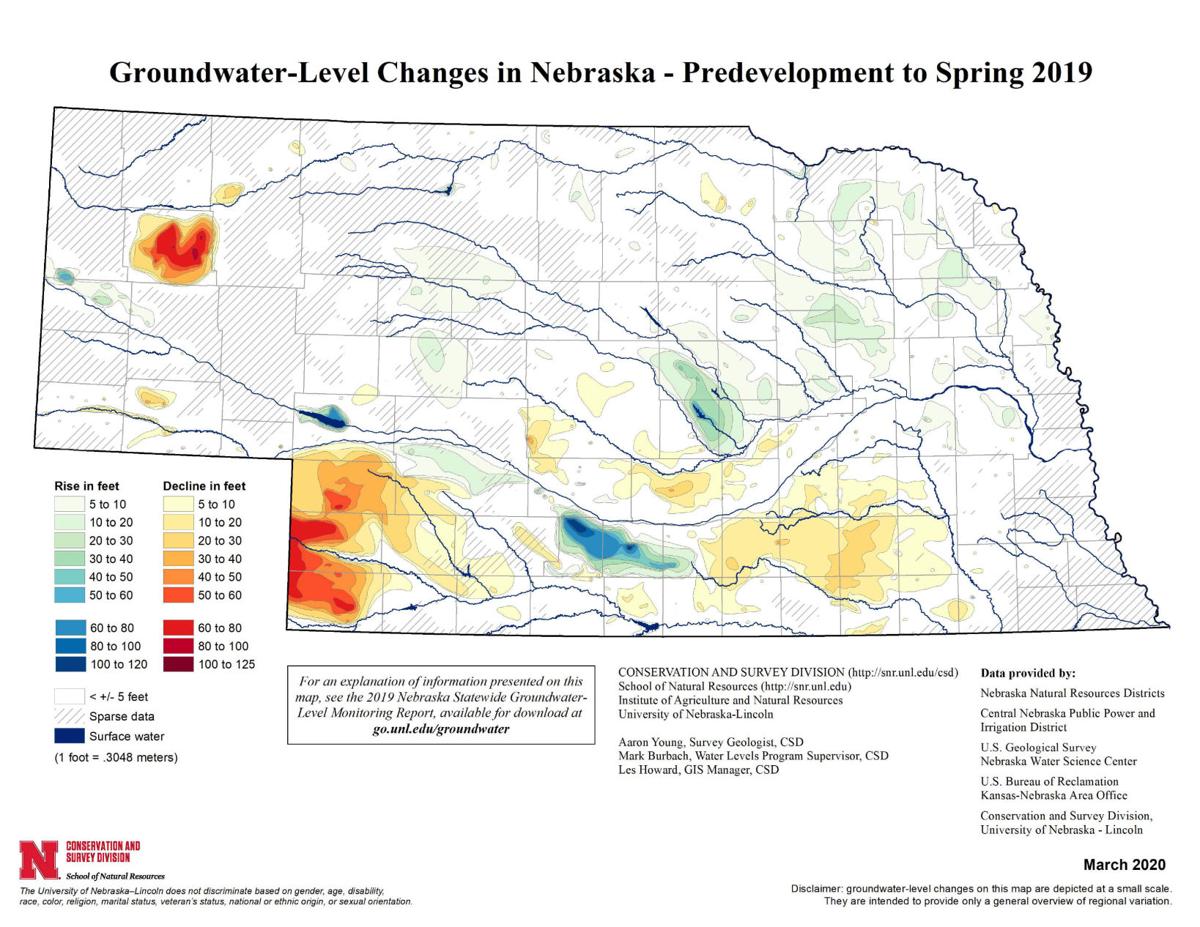
Groundwater levels rise in Nebraska | Agriculture News | kearneyhub.com

This problem can be solved by limiting both the number of wells we drill and by monitoring their proximity to rivers. If they are too close they will decrease the river level so they must be drilled far enough away. Once the soil is no longer saturated there is nothing keeping surface water at the surface.
Volcanos Role in Our Early Evolution

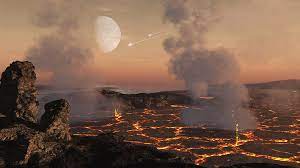
When we look at earth as it exisited in its most early days it is unrecognizable. The surface is rocky and hot. The atmosphere is comprised of mainly hydrogen and helium. There is a distinct lack of water both on the surface and in the atmosphere. There is almost no chance for life to evolve in this inhospitable place. If this was the case then how did life evolve? The answer is that the environment first had to change.

As the earth was first forming large amounts of gass were trapped in the crust. This led to large pockets of water and gas forming underneath the earths surface. As the planet settled it began to heat up due to the high pressures. This heat traveled to the surface and escaped through volcanos. These early volcanos released much of the gass trapped in the crust forming an early atmosphere. The water vapor released eventually cooled allowing the first oceans to form. This water vapor combined with ice delivered on asteroids and comets formed the earliest oceans.

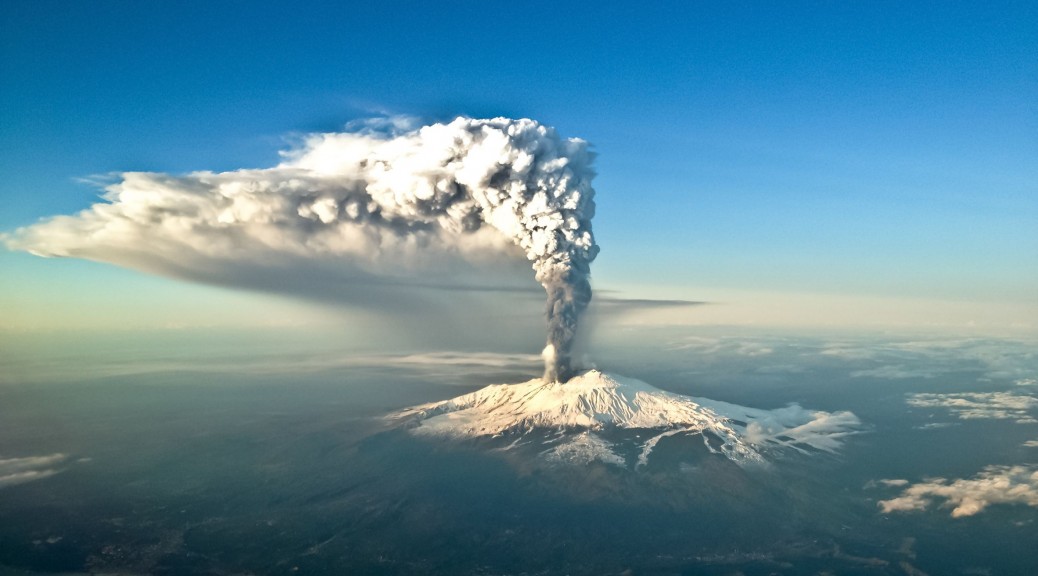
Volcanic Pollution |

We know that in these early oceans the first lifeforms evolved. They consumed simple compounts in order to produce energy but over time photosynthetic organisms evolved. This led to an explosion in the ammount of oxygen being produced. There is something curious that happened in this period. Despite the large quantities of oxygen being produced the atmospheric levels of oxygen remained very low. This is due to volcanic activity.

The gass being released from these volcanos reaced with the oxygen in the atmosphere leaving no oxygen left behind it was not until the early photosynthetic life produced more oxygen then the volcanos could scrub was the atmosphere finaly oxygenated. This oxygen allowed complex life to form, as most complex life we know of consumed oxygen. These early volcanos had a profound impact on the evolution of life on earth due to their influence over the composition of the atmosphere.

We Owe Our Lives To Tectonic Activity

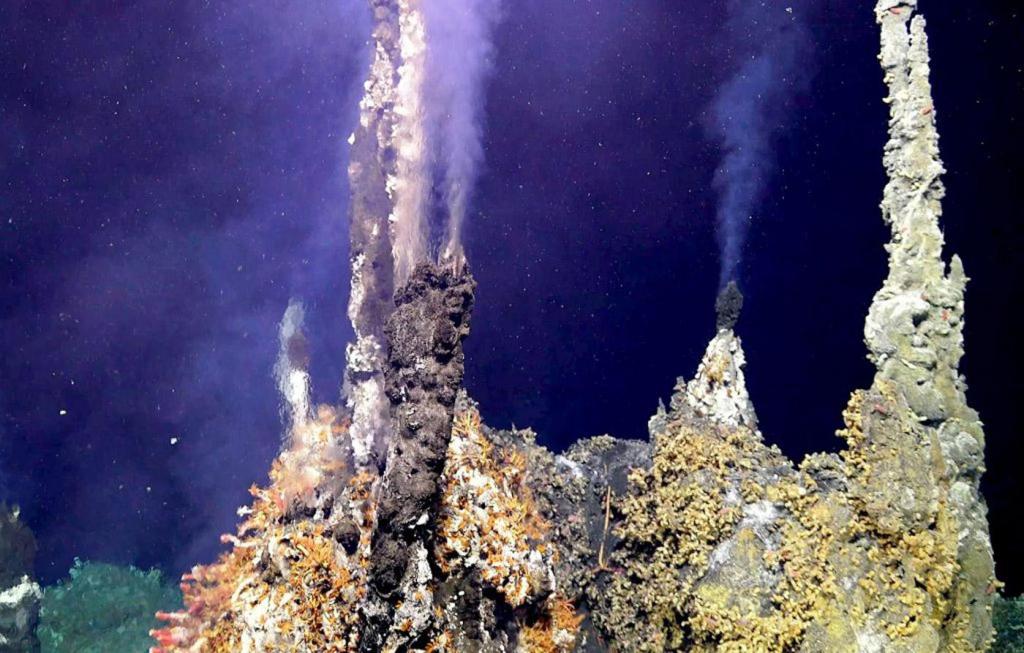
https://www.seti.org/press-release/invader-project-send-robotic-laser-explore-deep-sea-vents

There are various ideas existing today suggesting how life first emerged on the planet. They range from the scienfific to the theological to the fantastical. Some of these ideas claim that an inteligent force, a god, alien or otherwise, created Earth’s life. Others claim that the first organisms arrived on earth from outer space. The most commonly accepted theory today is that life first evolved on this planet around hydrothermal vents like those seen above.

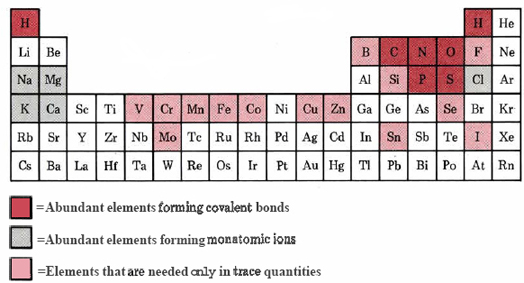
https://skmclasses.weebly.com/naming-of-elements-and-properties.html

The reason we think life first emerged in these environments is due to their chemical composision and location. They are deep enough in the ocean to avoid the deadly rays of the sun and contain all the chemicals necessary for the development of very simple organisms. There is a very compelling line of evidence suggesting that all modern life evolved from organismed that lived around these vents. All life existing today shares DNA that suggests a common ancestor that would like a hot environment contianing the compounds found around hydrothermal vents.

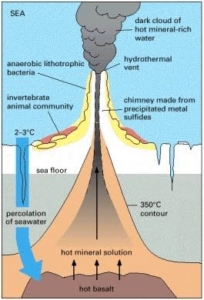
So why is the emergence of life owed to tectonic activity? This is because these thermal vents are formed through the movement of the Earth’s crust. As two oceanic plates move away from eachother fissures open up in the ocean floor. These fissures suck in cold sea water, heating the water and mixing it with these compounts that could support early life. This hot compound rich water is then ejected in thick cloudy plumes.

Weather the first organisms on earth evolved from naturaly occuring organic compounts or our ancestors arrived on meteroites it is clear they lived around these vents. Our existence is owed to the processes that form these vents, plate tectonic activity.